
Interested in learning more about the art of gold trading? This comprehensive article will provide you with a deep dive into the world of gold trading, covering everything from understanding the gold market to advanced trading strategies.
Discover the significance of gold as a precious metal, the factors influencing gold prices, and the role of central banks in price determination.
Whether you’re a novice or experienced trader, this article is packed with tips, recommendations, and FAQs to help you get started with gold trading today.
Introduction to Gold Trading
Gold trading is a popular investment choice for many due to its historical significance and value retention over time. Learning how to trade gold can provide opportunities for profit in the financial markets.
Historically, gold has been viewed as a safe haven asset, particularly during times of economic uncertainty or inflation. The allure of gold trading lies in its tangible nature and the fact that it tends to hold its value over time, acting as a hedge against market volatility. Investors often turn to gold as a way to diversify their portfolios and protect against potential risks.
- Gold has a long history as a currency and a store of value, dating back thousands of years. It has been used in various forms of trade and commerce, from ancient civilizations to the modern era.
- In today’s global economy, gold continues to play a significant role as a commodity traded on exchanges around the world. Key players in the gold market include central banks, mining companies, and institutional investors.
Understanding the Gold Market
Understanding the gold market involves analyzing the demand and supply dynamics that influence the price of this precious metal. During times of global crisis, the gold market often experiences increased activity due to its safe-haven status.
Investors tend to flock to gold as a traditional store of value and a hedge against economic uncertainty. This increased demand usually drives up gold prices, reflecting its role as a ‘safe haven’ asset. Geopolitical tensions and inflation fears also impact gold prices, making it a popular choice for portfolio diversification. It’s fascinating how global events can trigger fluctuations in the gold market, as investors seek stability in this enduring and prized metal.
Significance of Gold as a Precious Metal
Gold holds immense significance as a precious metal due to its rarity, durability, and intrinsic value. Investors often turn to physical gold as a hedge against inflation dynamics and economic instability.
Gold’s properties make it an ideal choice for wealth preservation, as it does not tarnish or corrode over time. This enduring nature has made it a symbol of enduring value throughout history, with civilizations using gold for currency, jewelry, and decorative art. Its scarcity adds to its allure, as mining limitations prevent excessive production. During times of economic uncertainty, gold tends to retain its value, serving as a store of wealth that can protect investors from the erosion of purchasing power caused by inflation. By diversifying a portfolio with physical gold, individuals can safeguard their assets amidst fluctuating markets.
Factors Influencing Gold Prices
Various factors influence the price of gold, including seasonal patterns, Fibonacci retracements, and market instability. Understanding these influences is crucial for successful gold trading.
Seasonal patterns play a significant role in determining the demand for gold. For example, during festive seasons or weddings, the demand for gold tends to increase, impacting its price. Fibonacci retracements, a popular technical analysis tool, are used to predict potential price reversal levels based on the Fibonacci sequence. Traders often use these retracement levels to make decisions on buying or selling gold.
Market instability, such as geopolitical tensions or economic uncertainties, can lead investors to flock to safe-haven assets like gold, driving its price up. This makes gold a favorable choice for diversifying investment portfolios and hedging against market risks.
Movements in Gold Prices

The price of gold exhibits volatile movements driven by various factors, making it essential for traders to adopt effective trading methods to navigate market instability.
One commonly used trading method to capitalize on gold price movements is technical analysis, where analysts study past price data and market trends to predict future movement. Another approach is fundamental analysis, focusing on economic indicators, geopolitical events, and supply-demand dynamics to forecast price changes.
To mitigate risks associated with market instability, traders often use stop-loss orders to limit potential losses and diversify their portfolios across different asset classes. Staying informed about global economic developments and geopolitical tensions can help traders anticipate market shifts and make informed decisions.
Role of Central Banks in Gold Price Determination
Central banks play a significant role in determining gold prices through their gold stocks and policies. Fluctuations in the USD also heavily influence the value of gold in the global market.
Central banks typically hold significant amounts of gold as part of their foreign exchange reserves, and any changes in their buying or selling behaviors can have a direct impact on gold prices.
When central banks increase their gold reserves, it signals confidence in the precious metal, leading to a potential rise in prices. On the other hand, if central banks decide to sell off their gold holdings, it can create downward pressure on gold prices, affecting the market dynamics.
Impact of Risk Aversion on Gold Prices
During times of heightened risk aversion and market instability, investors often flock to gold as a safe haven asset, leading to price rallies. Implementing protective stop-loss strategies can help traders manage risks effectively.
Gold, with its intrinsic value and historical reputation for stability, becomes particularly appealing to investors seeking shelter from turbulent financial markets. The inherent scarcity and enduring allure of gold make it a reliable store of value during times of uncertainty. This surge in demand for gold drives up its prices, creating a positive correlation between risk aversion and gold prices.
While gold may offer respite during market turmoil, traders must navigate volatility cautiously. Protective stop-loss strategies act as shields, enabling traders to limit potential losses by automatically selling positions if prices reach predefined levels. By setting stop-loss orders strategically, investors can safeguard their portfolios against sudden market downturns and excessive risk exposure.
Relationship Between USD Trends and Gold Prices
The relationship between USD trends and gold prices is crucial for traders to understand when formulating effective trading strategies.
When the USD strengthens, typically, the price of gold tends to decline, as investors shift their focus towards investing in the stronger currency. Conversely, a weaker USD often leads to a rise in the price of gold, as it becomes more attractive as a safe-haven asset. This inverse correlation is a key factor that traders consider when analyzing the gold market. By identifying swing lows in gold price charts, traders can pinpoint potential turning points in the market. Swing lows indicate areas where the price has temporarily stopped declining, signaling a potential reversal in trend, especially when coupled with shifts in the value of the USD.
Gold Trading Strategies
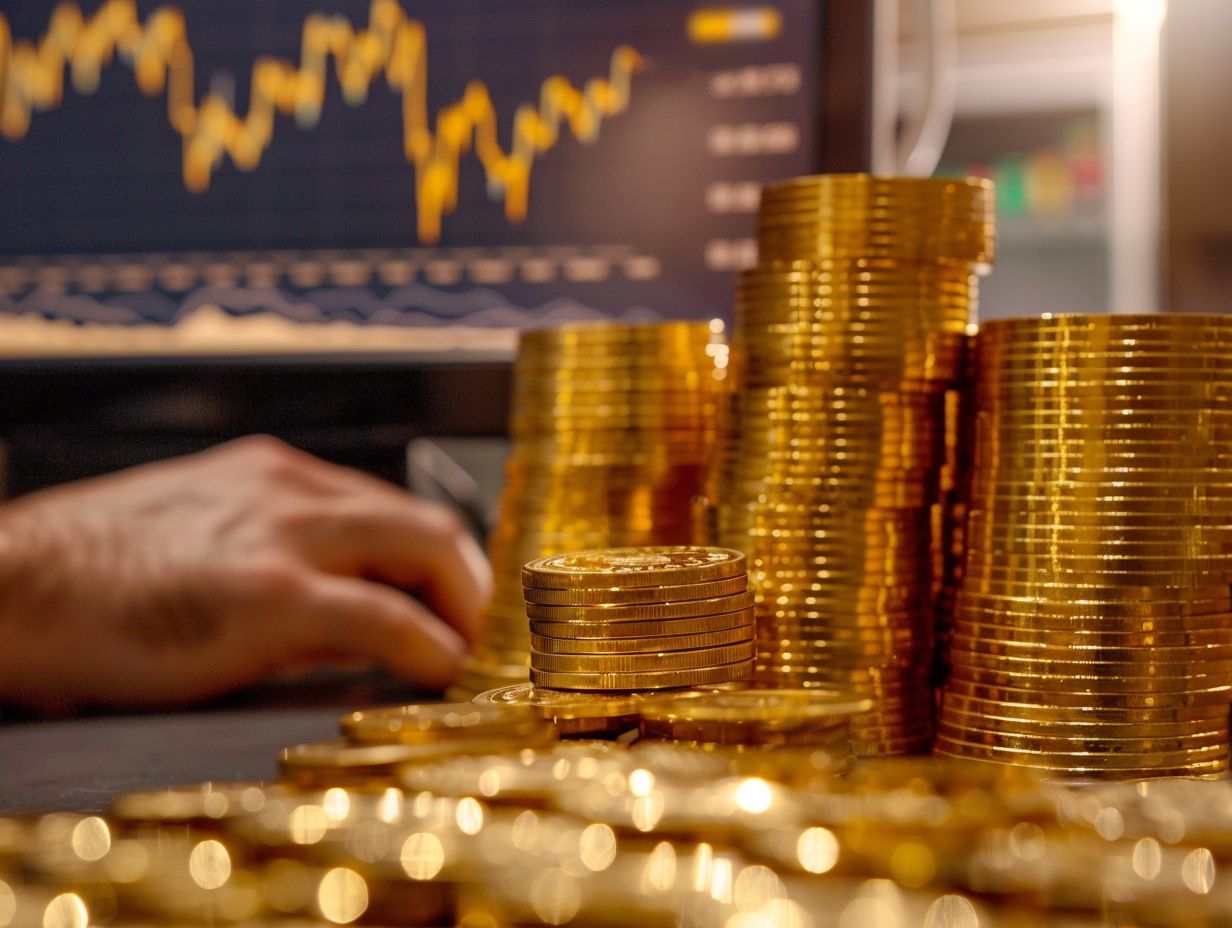
Developing effective gold trading strategies requires a blend of technical analysis, trading methods, and a deep understanding of market dynamics. Implementing proven strategies can enhance trading success in the gold market.
One key aspect of successful gold trading strategies is incorporating technical analysis tools to interpret price movements and identify potential entry and exit points. Utilizing indicators such as moving averages, MACD, and RSI can help traders make informed decisions based on historical price data and trends.
Traders often utilize various trading methods such as swing trading, day trading, or trend following to capitalize on short-term price fluctuations or longer-term trends. Each method has its own risk-reward profile and requires a tailored approach based on individual trading styles and preferences.
Fundamental analysis plays a crucial role in understanding the broader economic factors that can impact gold prices. Keeping track of geopolitical events, inflation rates, and central bank policies can provide valuable insights into the future direction of the gold market.
Advanced Technical Analysis for Gold Trading
Advanced technical analysis techniques such as Fibonacci retracements can provide valuable insights into potential price levels and trends.
Developing a robust trading system with clear profit strategies is essential for successful gold trading. By integrating Fibonacci retracements into their analysis, traders can determine potential support and resistance levels based on key Fibonacci ratios. This helps in identifying potential entry and exit points with greater accuracy, leading to more informed trading decisions. By combining Fibonacci retracements with other technical indicators like moving averages or RSI, traders can further validate their analysis and enhance their overall trading system.
Classic Trading Methods for Gold
Classic trading methods for gold often revolve around simple yet effective strategies that capitalize on key market trends. Unlocking gold trading secrets can enhance your trading strategy and improve profitability.
One common gold trading secret is to pay close attention to geopolitical events that can impact the price of gold. Economic stability, inflation rates, and global crises all play a role in shaping the value of gold.
Incorporating technical analysis into your trading strategy can provide valuable insights. Utilizing indicators such as moving averages, RSI, and trend lines can help identify potential entry and exit points.
Advanced Trading Techniques for Gold
Advanced trading techniques for gold involve leveraging trading methods that incorporate ETFs and gold stocks to diversify investment portfolios.
By incorporating ETFs (Exchange-Traded Funds) and gold stocks into one’s trading strategy, traders can effectively spread risk and potentially boost returns in the volatile gold market.
ETFs provide exposure to gold prices without the need to physically own the precious metal, offering a convenient way to invest in gold. Meanwhile, gold stocks represent shares in companies that are involved in gold mining or production, providing indirect exposure to the fluctuations in the price of gold.
By combining these instruments, traders can capitalize on the price movements of gold while diversifying their holdings across various assets, helping with building a well-rounded investment portfolio.
Understanding the Fundamentals of Gold Trading
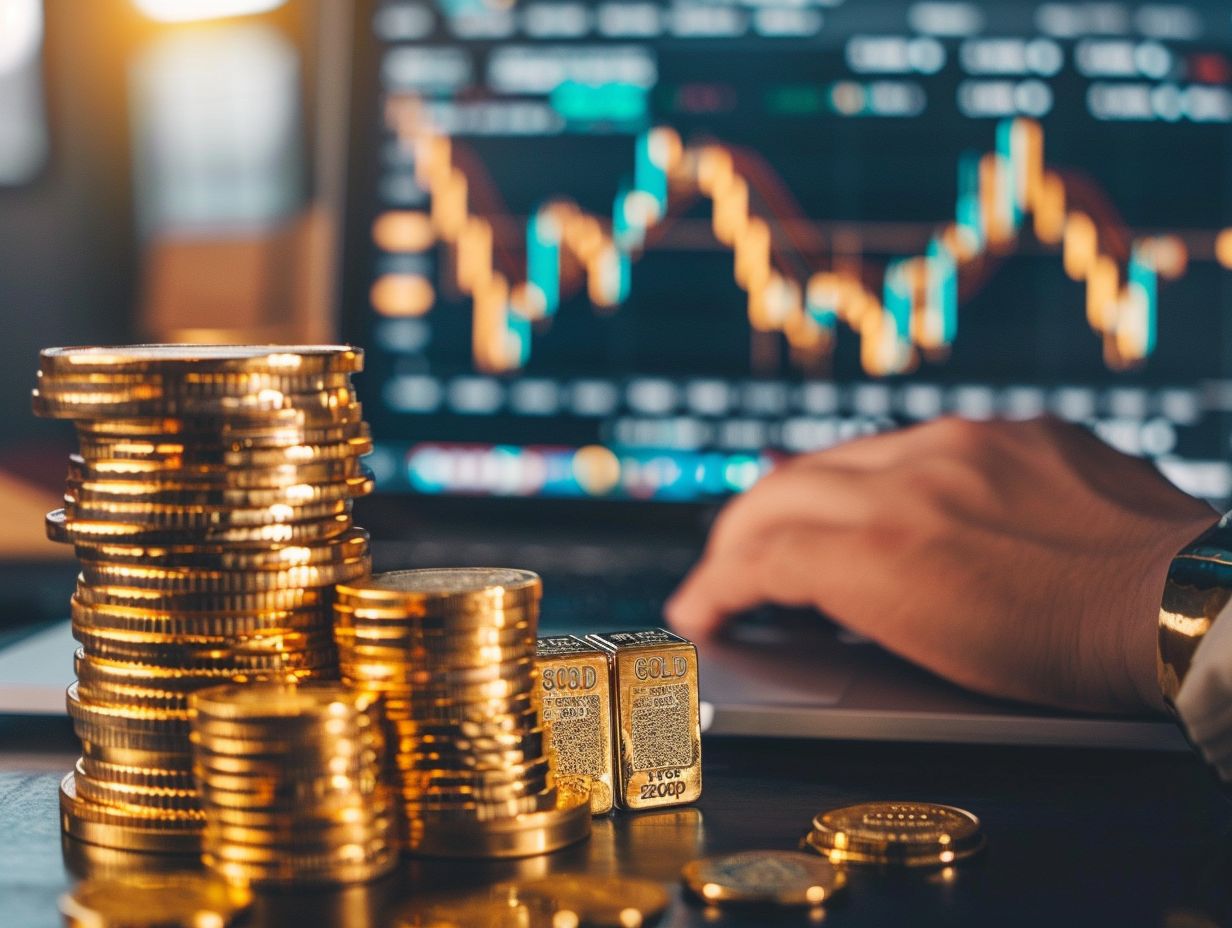
Understanding the fundamentals of gold trading involves gaining insights into the dynamics of the gold market, effective trading methods, and the impact of inflation dynamics on gold prices. Mastering these fundamentals is key to success in gold trading.
Gold, known for its timeless value and allure, has been a coveted asset for centuries, offering stability during economic uncertainties. The gold market operates intricately, affected by various factors such as global demand, geopolitical events, and central bank policies. Traders leverage this knowledge to employ diverse trading strategies, ranging from long-term investments to short-term speculations, adjusting their positions based on market trends and economic indicators.
Understanding how inflation influences gold prices is crucial. Gold is often seen as a hedge against inflation, as its intrinsic value tends to rise when fiat currencies depreciate. Traders track inflation rates closely to anticipate shifts in gold prices, creating opportunities for profit.
Tips and Recommendations for Gold Trading
Effective gold trading strategies and tips can significantly enhance your success in navigating the complex gold market. Implementing sound trading practices and profit strategies is essential for sustainable profitability in gold trading.
When venturing into gold trading, it’s crucial to stay informed about market trends and factors influencing gold prices. Keeping a close eye on economic indicators, geopolitical events, and central bank policies can help you make informed decisions. Diversifying your portfolio with various gold products, such as ETFs, futures contracts, and physical gold, can reduce risks and increase potential returns.
Setting clear goals and establishing a solid risk management strategy are key components of a successful gold trading plan. Determine your risk tolerance, set stop-loss orders, and adhere to disciplined trading practices to protect your capital and secure profits. Regularly evaluating and adjusting your trading tactics based on market conditions can further optimize your trading outcomes and enhance your overall success in the gold market.
Effective Gold Trading Strategies and Tips
Effective gold trading strategies and tips often revolve around utilizing technical analysis tools to identify key trading opportunities. Understanding the impact of USD movements on gold prices is vital for crafting successful trading strategies.
When engaging in gold trading, it is crucial to pay close attention to the trends and fluctuations in the value of the US Dollar. This is because the strength or weakness of the USD can directly influence the price of gold, as they often have an inverse relationship.
For instance, a weakening USD typically leads to higher gold prices, making it an opportune time to buy, while a strengthening USD may result in lower gold prices, signaling a potential selling opportunity. By closely monitoring USD trends alongside gold price movements, traders can make more informed decisions and adjust their strategies accordingly.
Getting Started with Gold Trading
Initiating gold trading today can be a rewarding venture for beginners looking to explore the world of financial markets. Learning how to trade gold effectively is the first step towards building a successful trading portfolio.
When starting out, beginners in the trading for beginners sphere should familiarize themselves with the basics of gold trading. Understanding the factors that influence gold prices, such as geopolitical events, economic reports, and market sentiments, is crucial. Utilizing resources like online tutorials, educational courses, and reputable trading platforms is essential for gaining knowledge and practical experience.
An important aspect of trading gold for beginners is creating a well-thought-out trading plan. This plan should outline your goals, risk tolerance, entry and exit strategies, and money management rules. By setting clear objectives and following a disciplined approach to trading, beginners can increase their chances of success in the volatile gold market.
Initiating Gold Trading Today
Embarking on your gold trading journey today involves selecting suitable trading methods and identifying swing lows in the gold price charts. Taking proactive steps to start trading can set you on the path to financial success.
One of the primary considerations when choosing a trading method for gold is the level of risk tolerance you are comfortable with. Some individuals may prefer the stability of long-term investment strategies, while others might thrive on the adrenaline of short-term trades.
Understanding market patterns such as swing lows is crucial in gold trading. Swing lows are indicative of potential trend reversals, offering opportunities to enter or exit positions at advantageous points. By recognizing these patterns, traders can make informed decisions that align with market movements and maximize their profit potential.
Minimum Account Investment for Gold Trading
Determining the minimum account investment for gold trading is essential to manage risk and optimize profit potential.
Establishing a minimum account investment creates a financial boundary that helps traders maintain discipline and avoid impulsive decisions. By setting a defined amount for trading, individuals can ensure that they do not overextend their resources or expose themselves to unnecessary risks.
Aligning profit strategies with investment goals is crucial for long-term success in the volatile gold market. Traders should consider their risk tolerance, market conditions, and desired returns when crafting a profitable trading plan. Emphasizing risk management principles can protect investments and enhance overall profitability.
FAQs about Gold Trading
Navigating the nuances of gold trading can raise several questions, especially regarding market instability and effective trading methods. Addressing common FAQs about gold trading can offer clarity and guidance to aspiring traders.
One of the most common queries that traders have is how to manage market volatility in gold trading. Market volatility in the precious metals sector can be influenced by various factors such as economic indicators, geopolitical events, and investor sentiment.
Another key concern for traders is selecting suitable trading methods. Traders often wonder whether to trade physical gold, gold futures, or gold mining stocks. Each method comes with its own set of risks and potential rewards.
Understanding key market trends is also crucial for successful gold trading. Traders should stay informed about supply and demand dynamics, central bank policies, and macroeconomic trends to make well-informed trading decisions.


